K9 Instinct: Holisitic Dog Health Care Blog
  • Home
  • Nutrition
  • Testimonials
  • Blog
  • Shop

Free Homemade Dog Food Recipe: Beef and Sweet Vegetables

4/30/2013

45 Comments

 
Picture
A homemade dog food diet is an excellent, healthy alternative to commercial kibble. Homemade dog food can help promote health and well being in your four-legged family members by providing real food, wholesome nutrition and freshness you simply cannot get with kibble diets. Making your own dog food is easier than you think, and can also be quite inexpensive! Purchasing your meat on sale and buying bagged frozen vegetables will be cheaper than buying a high quality kibble!

This free homemade dog food recipe is balanced and complete to AAFCO (Association of American Feed Control Officials) standards. A complete whole food multivitamin is ESSENTIAL to every homemade recipe to replace any nutrients lost in the cooking process. To get my entire collection of balanced homemade dog food recipes, check out my Homemade Dog Food Recipe eBook!
Picture
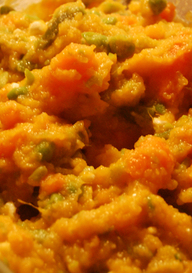
Beef and Sweet Vegetables

INGREDIENTS

  • 550g boiled beef liver
  • 1 cup unsweetened applesauce
  • 1 cup of boiled sweet potato
  • 1/2 cup of boiled green beans
  • 1/2 cup of boiled peas
  • 1/2 cup of boiled carrots
  • 1/4 cup of 2% fat cottage cheese
  • 2 tablespoons of extra virgin olive oil
  • 1 1/2 scoops of Nupro Gold Supplement

DIRECTIONS
  1. Chop the beef liver into small pieces and boil until cooked. (Do not overcook!)
  2. Boil sweet potato, green beans, peas and carrots until tender.
  3. In a large bowl add the sweet potato, green beans, peas, carrots, applesauce, cottage cheese and extra virgin olive oil. Mash it all together and mix well.
  4. Add the boiled beef liver to the mash, mix it in.
  5. When the food cools, add 1 1/2 scoops of the Nupro Gold supplement.
  6. Serve!

Picture
FEEDING GUIDE FOR THIS MEAL
  • 10 lbs - 208g a day
  • 20 lbs - 350g a day
  • 40 lbs - 589g a day
  • 60 lbs - 798g a day
  • 80 lbs - 991g a day
  • 100 lbs - 1172g a day

Want more balanced and complete recipes? Check out my eBook: Homemade Dog Food Recipes

Don't forget to like K9 Instinct on Facebook to get new blog article updates and other dog tips!

Angel
K9 Instinct
www.k9instinct.com
45 Comments

4 Things Every Dog Should Have in Their Diet

4/27/2013

14 Comments

 
Picture
Nutrition plays a very important role in your dog's health and well-being during their life, and adding supplements and nutrient dense "extras" to their food bowl can have a big impact on their overall health. There are many different supplements pet owners can add to their dog's diet, but there are five specific supplements that I strongly believe every dog should enjoy the benefits of.

Supplements provide a nutritional boost when fed along with a balanced and complete diet, and can ensure that your dogs dietary needs are being met and potentially exceeded. By adding certain supplements to your dog's diet you can help prevent disease and fight illness. The reason why I recommend giving your dogs supplements is because I strongly believe in using nutrition as a preventive. When the body is strong and the body's systems are functioning properly (be it digestive, immune, cardiovascular, etc) the dog is better able to recover quickly from illness, avoid disease and handle physical and emotional stress.

Picture
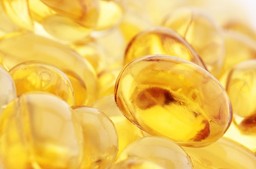
OMEGA FATTY ACIDS
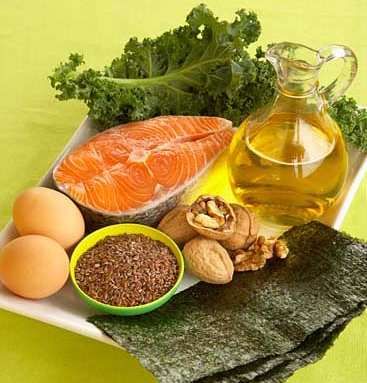
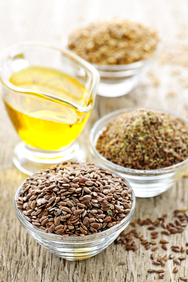
Omega fatty acids such as salmon oil, fish oil, flax seed oil, and borage seed oil provide many different nutritional benefits. Omega fatty acids are ideal for dogs with allergies, skin disorders or plain dry skin since these nutritious oils help add moisture, fullness and shine to any coat. These oils also promote healthy cognitive function as well as growth and development in puppies and young dogs. Omega fatty acids have also been proven to aid in promoting heart health and relief from arthritis and inflammation.

Read more about omega fatty acid oils with my article: The Benefits of Omega-3 and Omega-6 Fatty Acids For Dogs

Picture
PROBIOTICS / ACIDOPHILUS
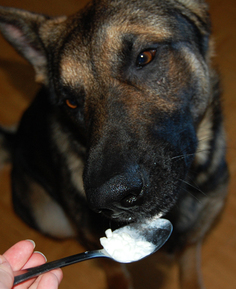
Probiotics are an excellent way to significantly boost the digestive system and the immune system. Adding probiotics to your dog's diet will help them properly digest their food while improving nutrient absorption. Probiotics also help build immune system health by creating a proper balance of healthy bacteria in the body, making it easier for the body to fend off harmful bacteria and disease. Probiotics have also proven to be beneficial to dogs with allergies, digestive disorders and susceptibility to bacterial infections.

Read more about the benefits of probiotics with my article: The Benefits of Probiotics for Dogs

Picture
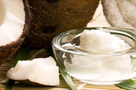
COCONUT OIL
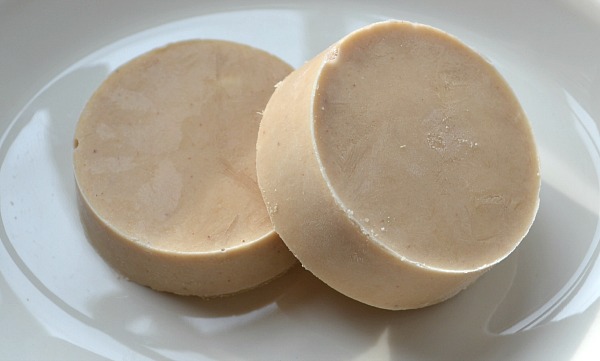
Coconut oil is a healthy,very easily digested fat that is quickly converted to energy in the body. Coconut oil is my third recommendation because of it's antibacterial, antifungal and antiviral properties. Coconut oil also helps condition the dog's fur to make it thick, glossy and healthy. Coconut oil can also be applied topically to hot spots, cuts and abrasions and can also be used as an all natural toothpaste!

Learn more about this powerful natural remedy with my article: The Benefits of Coconut Oil for Dogs

Picture
MULTIVITAMIN
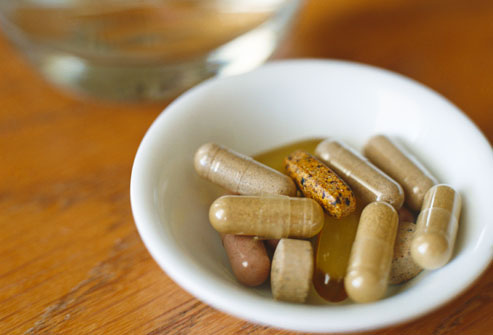
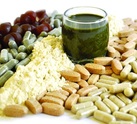
A good multivitamin can provide dogs with a nutritional boost that can improve their physical condition and help prevent disease and illness. Dogs who receive complete nutritionally balance in their diets are stronger, live longer, and recover from sickness faster.

Read more about my most recommended multivitamins here: The Best Multivitamins for your Dog

When you combine these supplements with a balanced, highly nutritious diet you ultimately set your dog up for a life of strength, health and longevity. Choosing a correct diet is the most important factor in ensuring the very best health your dog can possibly achieve.

Learn more about diet with my other nutrition articles!

The Incredible Raw Food Diet
The Benefits of a Homemade Diet for Dogs
The Best Dog Foods

Don't forget to like K9 Instinct on Facebook to get new blog post updates and other helpful dog tips!

Angel
K9 Instinct
www.k9instinct.com
14 Comments

The Benefits of Probiotics for Dogs!

4/25/2013

36 Comments

 
Picture
Picture
Acidophilus (Lactobacillus acidophilus) is a common, well known form of healthy bacteria (intestinal flora) that belongs in the digestive tract of every mammal, working with the body to protect it and aid in the digestion of food. These safe, necessary organisms are an important piece of the "total health" puzzle and can even help prevent disease and alleviate illness. There are a lot of phenomenal benefits that come with supplementing our dogs with probiotics, but the exceptional boost to their immune system alone is worth making probiotics an addition to your dog's nutrition program!

Supplementing your dogs diet with probiotics can act as a form of therapeutic treatment for a variety of health problems. It can also be a preventive measure against the bad bacteria overwhelming your dog's digestive tract which ultimately makes them sick. Many holistic veterinarians, nutritionists and traditional veterinarians will recommend probiotics to help combat and prevent bacterial infections and digestive disorders. By reinforcing the beneficial bacteria in your dog's gut, probiotics act as a safe way to keep harmful bacteria under control by allowing the strong beneficial bacteria to compete with the bad bacteria and ultimately prevent the wrong bacteria from flourishing.

Scientific research has been done repeatedly on the benefits of probiotics for dogs and the findings were great, showing that dogs did in fact receive significant benefits from the supplementation of probiotics both short term and long term. Veterinarians once believed that acidophilus could not survive passage from the dog's acidic stomach to the intestinal tract, but this was proven false. The healthy bacteria are strong and resilient, making it easy for dogs to nourish their intestinal tract with the bacteria designed to help them stay strong and healthy.

So how can probiotics benefit your dog? You'll be surprised by the many ways a strong and healthy digestive system can combat disease and prevent illness in our furry family members.

Supplementing puppies and young dogs with probiotics has shown to decrease the frequency and severity of allergies, increase healthy weight gain and growth, and decrease the frequency of illness and disease by providing a good foundation towards exceptional immune system health.

Probiotics are also ideal for dogs with digestive issues such as inflammatory bowel disease since this supplement promotes a healthy digestive tract. Ultimately probiotics assist in the breakdown of nutrients while aiding in proper digestion by encouraging the production of digestive enzymes. Probiotics help maintain a healthy, well functioning digestive system which is of vital importance in dogs with digestive disorders.

Probiotics can also help alleviate symptoms of allergies by strengthening the digestive system and the immune system to prevent allergic symptoms from arising when the dog is exposed to allergens. A stronger immune system means the body is able to better handle the allergens the dog has been exposed to, ultimately soothing symptoms or even potentially eliminating allergies all together. When you remind yourself how allergic reactions work, it will make more sense to you. Allergic reactions occur when the weakened immune system detects something and labels it as foreign or a threat, which in turn creates a variety of symptoms as the body fights to get rid of it. A stronger immune system means better overall immune system function. A strong immune system is not prone to allergies.
Probiotics can be very beneficial in helping to treat bacterial infections by safely supporting a distressed intestinal tract. Providing the body with beneficial bacteria will help the good organisms overrun the bad ones and can help your dog recover faster. Paired with a 24 hour fast and a few homemade bland meals that are easy on the body, you may be able to let nature run its course safely and quickly. If your dog is suffering from a potential bacterial infection and shows no improvement or worsens after 48 hours, please go see your veterinarian immediately for a diagnosis and treatment. Our dogs may need help getting healthy again! Once your dog is healthy again, starting them on regular probiotic supplementation can help prevent more infections of the intestinal tract.

Probiotics can help alleviate bad gas, prevent bad breath and will help make your dog's body function better. This occurs as a direct result of proper balance in the digestive system, which is where the very important absorption of nutrients occurs. Any dog of any age can enjoy the benefits of probiotics, so consider adding them to your dog's diet for a stronger, healthier body!

SOURCES OF PROBIOTICS
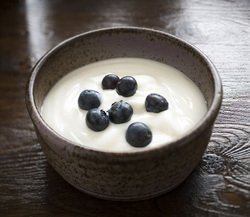
  • Plain, unsweetened yoghurt.
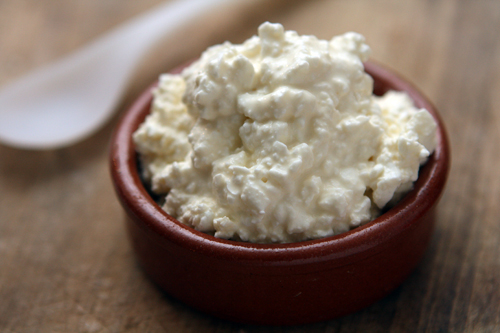
  • Cottage cheese
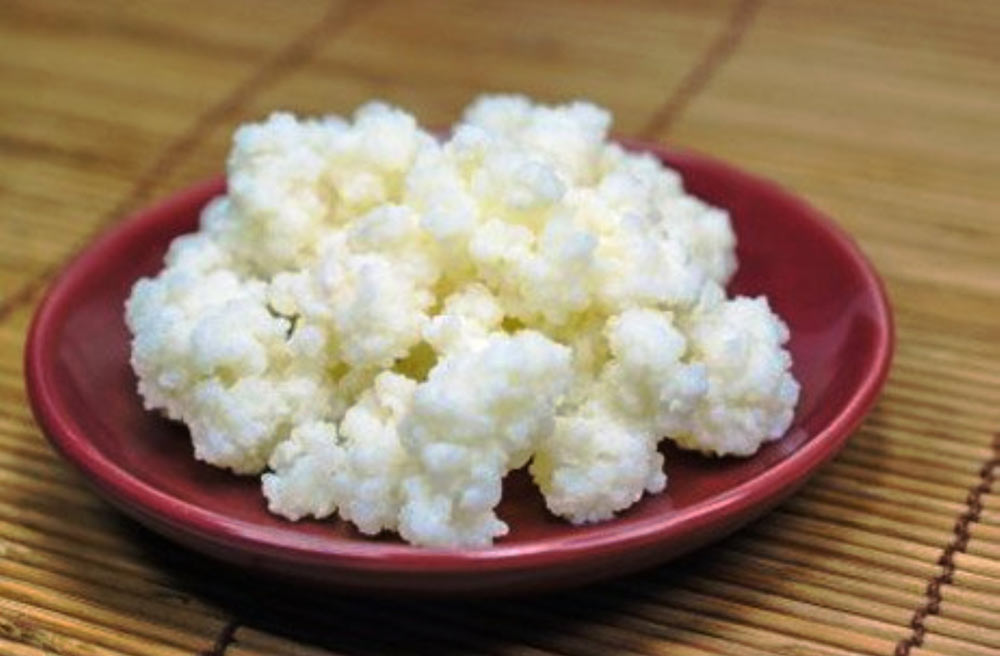
  • Kefir
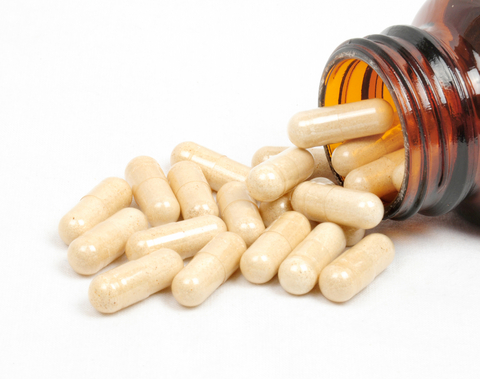
  • Acidophilus Capsules (Human grade is fine!)

DOSAGE

  • 2 tablespoons of plain yoghurt, cottage cheese or kefir daily.
  • 1 capsule of human grade Acidophilus.
  • Multivitamin supplement containing probiotics (such as NUPRO GOLD or Sunday Sundae), best paired with extra yoghurt/cottage cheese/kefir.

Want more great information like this, or don't want to miss any of these great articles? Click here to sign up for the monthly K9 Instinct newsletter. Free treat and homemade dog food recipes, tons of information, important recall alerts and so much more are available in our newsletter!

Want to make dramatic positive changes with your dog's nutrition? K9 Instinct provides nutrition consultations and a collection of great canine diet and nutrition eBooks to help you keep your dog healthy and strong!


Angel

K9 Instinct
www.k9instinct.com
36 Comments

The Benefits of Omega-3 and Omega-6 Fatty Acids for Dogs

4/10/2013

37 Comments

 
Picture
The omega fatty acids (Omega-3 and Omega-6) are a potent powerhouse of phenomenal health benefits that can dramatically improve the general health of people and animals alike. Originally recognized as an essential supplement for people, omega fatty acids are now being utilized to alleviate various ailments and improve general health in our pets as well!

Omega fatty acids are labeled as "essential fatty acids" because the body cannot produce them on it's own, so we must supplement them in our diet to receive all the benefits! Omega fatty acids are required for biological processes and act as a fuel for the body. Sources of Omega-3 and Omega-6 include fish oil (most notably salmon oil), flax seed oil, borage seed oil, hemp seed oil, leafy green vegetables, chia seeds, pumpkin seeds and canola oil.
Picture
Omega fatty acids have a wide variety of benefits to our dogs; benefits that have been proven and enjoyed over and over again by holistic practitioners and veterinarians alike.

For dogs suffering from allergies, omega fatty acids can help soothe the skin and alleviate allergies. Adding omega fatty acids into your dogs diet will result in their coat becoming soft, full and luxuriously shiny. The most common benefit of these healthy oils shows itself in the spectacular condition of a dog's fur. The oils help to condition the coat and prevent dryness and dandruff, while helping heal various skin conditions - all of which can soothe an itchy dog!

Omega fatty acids are ideal for young dogs and growing puppies since they play a significant role in promoting healthy brain function while supporting proper growth and development. I always recommend puppies be supplemented with omega fatty acids until at least until they reach two years of age, but this supplement should be continued through out a dogs lifespan. Omega fatty acids are especially beneficial for senior dogs!

Clinical evidence shows that omega fatty acids can greatly benefit dogs with various heart conditions, diabetes, arthritis, joint problems, inflammatory bowel disease, other issues with inflammation, cognitive decline, various skin conditions and cancer.

Omega fatty acids are highly beneficial to dogs, helping to alleviate symptoms of various medical conditions while improving a dog's skin and coat dramatically. If you choose to offer only one supplement to your dog, my recommendation would be to add Omega fatty acid oils! Every dog, at any age, would benefit greatly from this supplement. The best sources of these essential fatty acids are fish oils, hemp seed oil and flax seed oil.

Appropriate dosage of omega fatty acids for dogs is 1000 mg of oil per 30lbs of weight.

Want more great information like this, or don't want to miss any of these great articles? Click here to sign up for the monthly K9 Instinct newsletter. Free treat and homemade dog food recipes, tons of information, important recall alerts and so much more are available in our newsletter!

Want to make dramatic positive changes with your dog's nutrition? K9 Instinct provides nutrition consultations and a collection of great canine diet and nutrition eBooks to help you keep your dog healthy and strong!

Angel
K9 Instinct
www.k9instinct.com

37 Comments

A Guide to Having a Healthy Dog: How to make your unhealthy dog healthy again!

4/3/2013

19 Comments

 
Picture
There are far too many sick dogs in this world and it is time we start questioning how they got this way. Whether they are plagued with allergies, prone to illness or afflicted with various medical conditions our best friends are suffering more and more these days. Most dog owners are simply unaware of the fact that they can take control of their pets' fate and help guide them into an existence of health and well being.

There are several things we need to focus on in order to bring our dogs to optimum health. While we cannot cure all disease and prevent any sickness or injury, we can absolutely strengthen our dogs' bodies and give them everything they need to fight off illness, ward off disease and prolong their precious lives as a beloved member of our family.

There are several things we must focus on in order to create balance in health and wellness. By addressing all of these things, we provide our dogs with the opportunity to thrive.

Picture
NUTRITION
Diet and nutrition is the key to nourishing the body, providing the utmost bio-availability of nutrients on which our dogs can thrive. When we feed our dogs every day, we put food into their bodies meant to nourish and fuel them. Food helps living things grow and survive and a high quality species-appropriate diet can mean the difference between sickness and health. If we feed our dogs a poor quality diet that their bodies are not designed to thrive on, they will become weak and susceptible to sickness and disease.

A raw food diet for dogs is the most nourishing, species appropriate diet we can offer to our dogs. If you are unable to feed raw, the second best option is a homemade diet for dogs. Next in line is grain-free, high protein, whole food kibble. The following links will provide you with the in-depth knowledge I have to share on the topics of raw feeding, homemade diets and high quality commercial kibble diets:

  • The Incredible Raw Food Diet for Dogs
  • Dogs and Wolves: Why dogs are designed to eat raw!
  • Raw Feeding Frequently Asked Questions
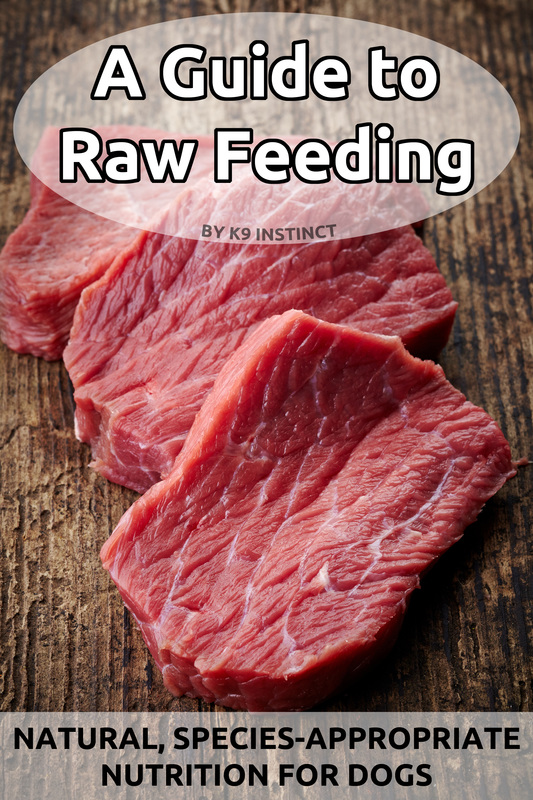
  • A Guide to Raw Feeding eBook
  • The Best Dog Foods
  • Homemade Dog Food Diet Recipe eBook
  • The Truth About Pet Food: Bad Ingredients

Provide only wholesome treats and snacks for your dog. Read the ingredient list on the back of treat packaging and be aware of where the ingredients are sourced from and where the treats are made. Read this article to learn more about selecting the right dog treats for your dog: How to choose healthy treats for your dog! Also consider making your own homemade treat recipes! I provide many healthy, easy and inexpensive treat recipes here on my blog under the "homemade treat" category!

Supplements are another excellent way to provide extra nutrition. While they are not necessary, they can provide a fantastic nutritional boost and target key problems that could occur in your dog. For example, supplementing your large breed dog with a joint supplement such as glucosamine can help prevent or alleviate joint issues at any point in the dogs' life.  A multivitamin such as Nupro Gold, Solid Gold Seameal or Carmspack's Feed-sentials can promote overall general health.

Picture
PREVENTION
There are several things you can do to help prevent disease and illness in your pet, all of which are simple concepts to implement into your dogs' healthcare.

The first thing is to attend your dogs' annual veterinarian check-ups, allowing a general examination to be done yearly to be vigilant over your dogs' health. When you allow a veterinarian to examine your dog yearly, your veterinarian can establish what is normal for your dog so that if problems arise they have a foundation to work with!

A minimal vaccine schedule is an excellent way to prevent bombarding your dogs with toxic substances, harsh chemicals and potentially useless anti-bodies that will overstimulate and greatly stress your dogs' immune system. Studies show that immunity from vaccines can last anywhere from 3-7 years for pets, sometimes longer, and giving your dog vaccine boosters annually is both unnecessary and potentially dangerous. The minimal vaccine protocol established by the highly reputable Dr. Jane Dodd includes vaccinating ONLY for parvovirus, distemper and rabies. After the initial set of puppy vaccinations for only those three diseases, dogs should be titered every three years to check levels of immunity in the body before making the decision to re-vaccinate.

Heartworm treatment and flea and parasite preventive/removers are harsh pesticides that veterinarians recommend be administered every month. There are two important things to understand about those monthly pills or topical treatments: The first thing is that these are pesticides your dog is ingesting monthly, while they can prevent parasites they work by effectively killing parasites, whether or not it is or isn't present in the animal's body, at every dose. This is very, very hard on the dogs' body and the chemicals present in the treatment are not exactly supportive of health in our dogs. The second thing to remember is that the heartworm/flea industry is a multi-billion dollar industry - reality is that they may not have your pet's true well-being at heart. It is important to do your own research, determine if your area has a high incident of heartworm, and use these treatments at your discretion. Many treatments don't need to be used every month, but can be extended to every other month. Use all-natural treatments where you can and just be aware of what is going into your pets' body. Voice your concerns with your veterinarian and bring research and an informed opinion to the table when it is time to discuss it.

When it comes to vaccines, heartworm treatment, and parasite prevention you should do your research, decide what will work for your lifestyle, your dog and your budget - then make informed decisions on whether or not to use any of the methods of prevention. The important thing is to be informed about what is done to your pet.

Picture
EXERCISE
Exercise will help keep your pet in good physical condition, while promoting mental stimulation and happiness. There are many different activities you can enjoy with your pet to keep them fit, help energize the body, drain energy and promote emotional wellness.

Consider long walks, running or jogging, bicycling, trail hiking, or off leash hiking (only in appropriate areas, and only if your dog has good obedience and will come when called!).

Dog sports and training such as obedience, agility, flyball, dock diving, herding, Schutzhund/IPO, tracking and rally-o are fantastic ways to stimulate your dog's body and mind, while creating a strong bond between dog and handler. Giving your dog a "job" or "sport" to do will be very fulfilling you both you and your best furry friend!

Simply including your dogs in your everyday activities, especially with the family, can provide your dog with the love and enjoyment that will nourish their spirit.
You can influence your dogs' health substantially by providing proper nutrition, being an active and informed advocate in their health care and by providing healthy exercise and mental stimulation. Let's not forget love and companionship... the greatest gift we can give the dogs who give us all of their unconditional love is to welcome them into our homes to enjoy the warmth, comfort and happiness of our family.

Please do your research and never stop learning. Cross reference information and ask questions!

If you have any questions, are seeking guidance, or would like to schedule a nutritional consultation with me please visit my contact me page or click here to e-mail me.

Angel
K9 Instinct
www.k9instinct.com
Picture
19 Comments

Natural Remedies for Dogs

3/24/2013

132 Comments

 
Picture
Picture
Natural remedies have been used for hundreds of years and are quickly becoming a well known method of treatment in people and animals alike. The best part about using natural remedies is that you're avoiding the use of harsh chemicals and drugs to treat various ailments and conditions, which ultimately helps your pet achieve optimum health while helping keep harmful toxins and substances out of their bodies.

While some people claim that natural remedies do not work, my extensive research and experience tells me otherwise. While not every dog responds the same way to any form of treatment, whether that be traditional or alternative, I have found that many dogs can enjoy the full, safe benefits of natural remedies and be successful in treating various conditions.

At K9 Instinct, my goal is to provide the world with safe alternative methods of caring for their furry best friends. I strongly believe proper nutrition can help heal the body and that natural remedies have a place in our world alongside traditional medicine. The natural remedies I support are safe to use, and I encourage everyone to at least TRY them and give nature a chance to help create health and balance in your canine companions.

Skin and Coat Conditions
  • Coconut Oil has proven itself time and time again to aid in the treatment of various skin and coat conditions. Dry skin, hot spots, allergies, hair loss and wounds can all be treated with this highly nutritious remedy.
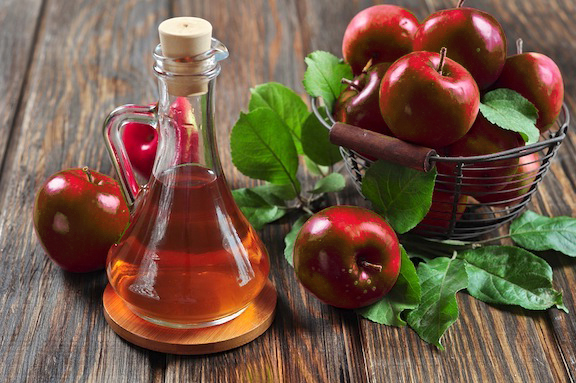
  • Apple Cider Vinegar is a nutritious remedy that targets hot spots, itchy skin, dry skin, chewing due to allergies and also acts as a deodorizer when sprayed on the coat following a bath!
  • Raw Green Tripe is an excellent, highly nutritious addition to any diet, and helps promote a healthy skin and coat!


Digestive Disorders

  • Apple Cider Vinegar is an excellent digestive aid and can be fed with meals to improve digestion!
  • Raw Green Tripe is packed full of digestive enzymes and probiotics to help any dog with digestive issues process their food and derive the utmost nutrition from their diet!
  • Probiotics and Digestive Enzyme Supplements are phenomenal ways to help your dog improve digestion and bring balance back to their digestive tract.

Allergies
  • Raw, local honey is renowned for it's ability to alleviate environmental allergies in dogs.
  • Coconut Oil can help condition a dog's skin and coat to alleviate itchiness in dogs as a result of dry skin or allergies.
  • Apple Cider Vinegar can be used topically to alleviate itchiness, especially when sprayed directly on to the coat following a bath. Apple Cider Vinegar can also be used to dip itchy paws in to prevent chewing and licking.
  • Omega Fatty Acids are a powerful skin and coat conditioner which can help alleviate symptoms of allergies. Salmon oil, fish oil, flax seed oil and borage seed oil all fall under the "omega fatty acid" category!


Herbal Remedies
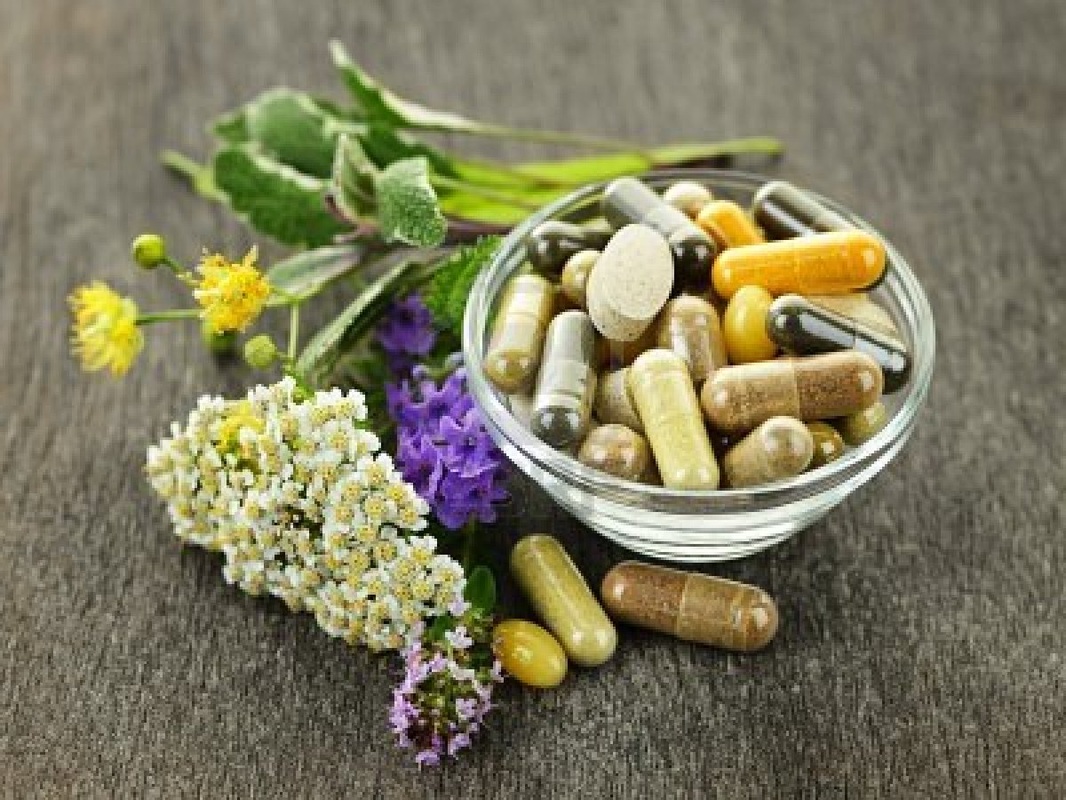
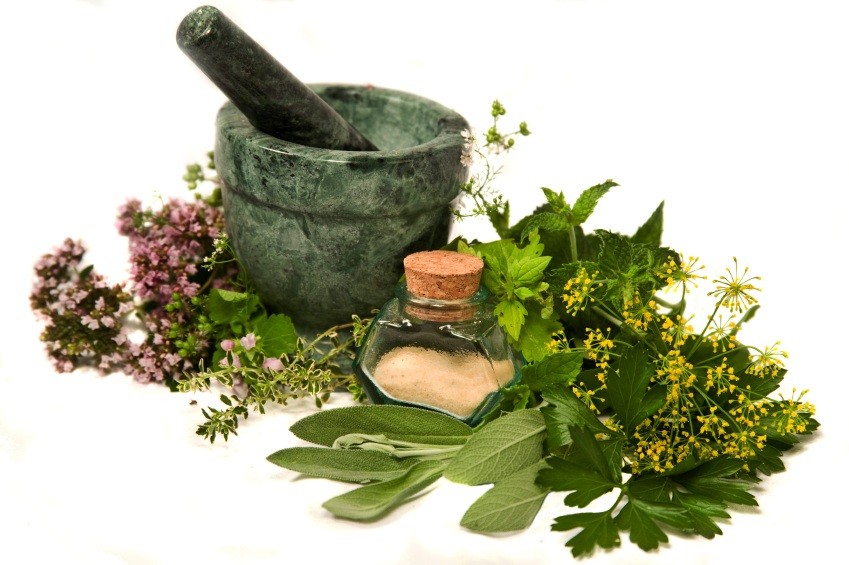
Many different herbs and spices have healing properties that can be added to your dogs diet.


Raw Food Diet
A raw food diet is the most nutritious, healing diet you can feed to your dog. A raw food diet will help heal many different medical condition, improve physical condition, alleviate or eliminate allergies and promote a long, healthy life.

This is part one of my 'natural remedies series', so keep watch for future blog posts with new remedies!

Don't forget to like K9 Instinct on Facebook to get new blog updates and news! Click here to learn more about diet and nutrition, or visit my web store for informative eBooks!

Angel
K9 Instinct
www.k9instinct.com

132 Comments

The Truth About Pet Food: Bad Ingredients

3/20/2013

137 Comments

 
Picture
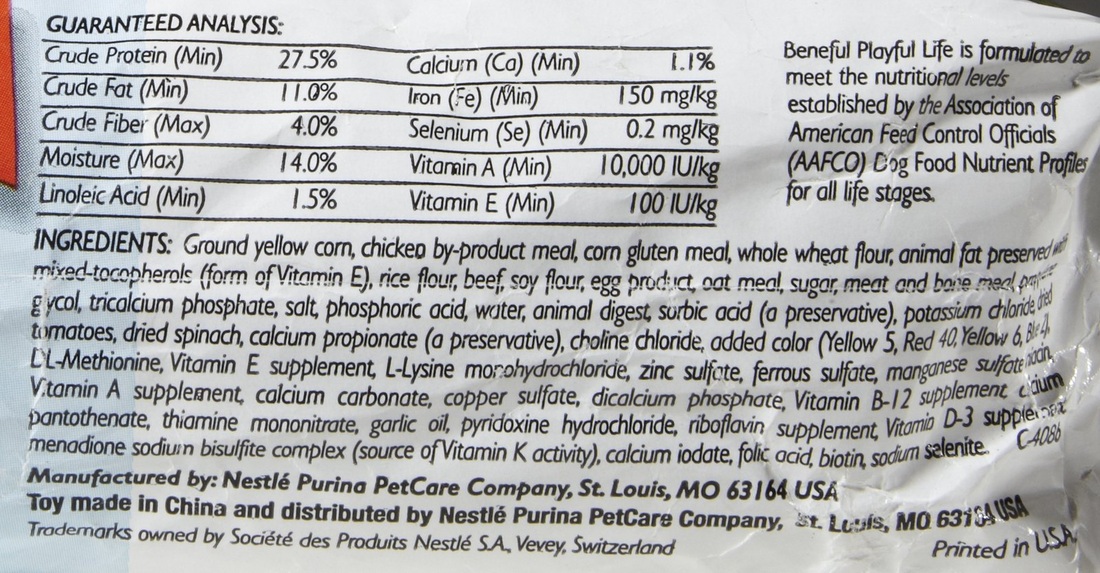
Beneful Dog Food (Poor quality food)
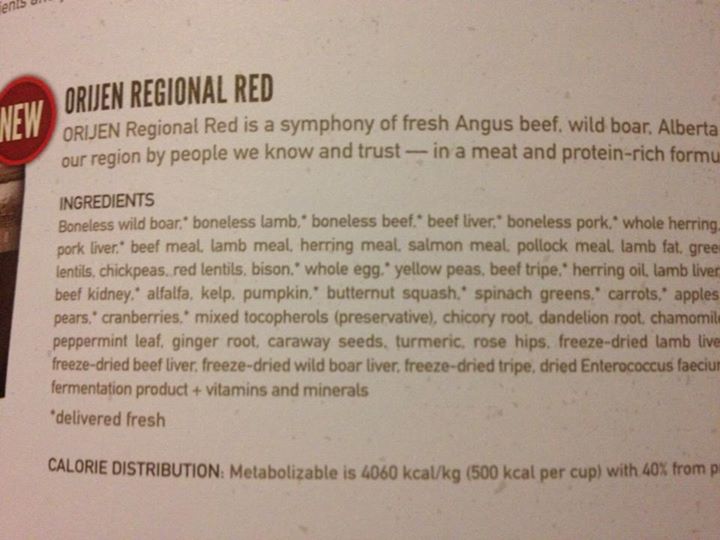
Orijen Regional Red Dog Food (Excellent quality food)
You are what you eat: and this logic applies to your dog, too! It is unsettling how many dog owners do not know what is in their dogs food. Understanding what your dog is eating and ensuring that they are receiving proper, species-appropriate nutrition is an important part of responsible dog ownership. Get familiar with the ingredients in your dog's food and make sure nothing potentially dangerous is going into their body.

The difference between poor quality food and excellent quality dog food lies in the ingredient list written on the bag. You want to see fresh, whole food ingredients such as deboned lamb, duck meal, blueberries, sweet potato and kelp with fewer vitamins additives added to the bottom of the list. There are certain “ingredients” that are – to be frank – quite disgusting.

Make sure you never feed ANY food or treats that contain any of the following ingredients! By avoiding these ingredients you will help keep your dog healthy, prolong their life and help prevent serious illness or disease!

Animal Digest
One of the most, if not THE worst ingredient you could possibly feed your best friend. This "ingredient" consist of unspecified pieces of unspecified animals from unknown sources which is cooked down into a gruel. Animal digest can contain things like slaughtered animals, animals that died of disease or were disabled at the slaughterhouse, roadkill, useless scraps of meat not fit for human consumption and worst of all - euthanized pets.

Poultry Byproduct
Byproducts are famous for being controversial, but the reality is that the parts and pieces of poultry that go into this "ingredient" includes everything we do not consume. These ingredient are often unfit for human consumption and include parts such as under-developed eggs, intestines, ligaments, blood, feet, foetuses and carcasses. Byproduct is the left overs from meat processing that we cannot use.

Animal Fat
Rendered fat from unspecified animals that can also contain rancid restaurant grease and oils that have been labelled as unfit for human consumption.

Corn
Whether it's corn, corn meal, corn gluten meal or any other corn product, it is a cheap filler and inexpensive form of protein that dog food companies use to cut costs when manufacturing their kibble. Corn is not easily digested by dogs, nor is it a healthy source of protein. It is highly unnatural for carnivorous canines, and is one of the leading allergen sources for pets in our modern world. Corn contributes to making our pets bodies sluggish, while contributing to that "dog smell" that many pet owners complain about.

Beef Tallow
This is another gross ingredient that has no place in your dog's food, consisting of rendered fat and tissue from cattle. Whether or not the cattle was diseased, disabled or dead before slaughter is unknown since there are zero regulations for it.

Oat Hulls / Rice Hulls / Other Hulls
Hulls are extremely inexpensive and utterly useless to our pets, often taken from processing for human food. This kind of product acts strictly as a filler to bulk up and bind kibble. There is no nutritional value other than difficult to digest fiber.

Salt
Extra salt in pet food is as unhealthy for them as it is for us and there is absolutely no need for salt to be included in a kibble, treat or food. There is enough sodium in healthy, whole meat that there is no need for any additional salt to a dogs diet.

Flavouring / Colour
A good quality kibble has no use for flavoring or color, since both of those things are often chemical additives that do no good for our pets. These are added strictly to encourage your dog to eat the food, and also to make it more visually appealing to you. If the kibble is colored, don't buy it!

Sweeteners
Sweeteners such
corn syrup, fructose, sugar and sorbitol have NO business being in pet food and treats - dogs do NOT need any additional sugars added to their diets. Just like with people, sugar in dog food and treats promotes illness, obesity and will feed cancerous tumors!

Ethoxyquin
Ethoxyquin is used as a preservative in many pet foods and should be avoided at all costs. This chemical is believed to contribute to kidney damage, liver damage, cancer, hair loss, eye disease, chronic colitis and more by many reputable veterinarians. It can also be used a pesticide!

Propylene Glycol
This is an ingredient that can be found in automotive antifreeze and is used to reduce moisture and prevent bacteria growth. This is a chemical additive that can cause cancer and a certain type of serious blood disease. This controversial chemical has already been banned in cat food, but is still used in dog food!

Click here to learn more about Propylene Glycol.

BHA/BHT
(Butylated hydroxyanisole / Butylated hydroxytoluene)
These are chemicals that are used as preservatives and have been linked to promoting cancer in people and other animals! These ingredients can cause damage to the organs and may even cause cancer in the organs.

The ingredients I have listed as the main components of a bad quality kibble, and should be avoided. In order to determine what a good quality food is, read my article titled: How to choose the best food for your dog.

Consider switching to a raw food diet or a homemade diet where you can control the quality and ingredients yourself. A balanced raw food diet is the very best nutrition you could offer your pet, but there are also very good kibble options on the market that promote health and well-being! Get informed and be an advocate for your dog!

If you enjoy K9 Instinct's articles, you will love getting our weekly Newsletter! It's totally free, and you will get lots of great exclusive content delivered directly to your inbox! You won't want to miss out on all the free advice and recipes!


Click here to subscribe to the K9 Instinct Newsletter
137 Comments

The Incredible Raw Food Diet for Dogs

3/16/2013

156 Comments

 
Picture
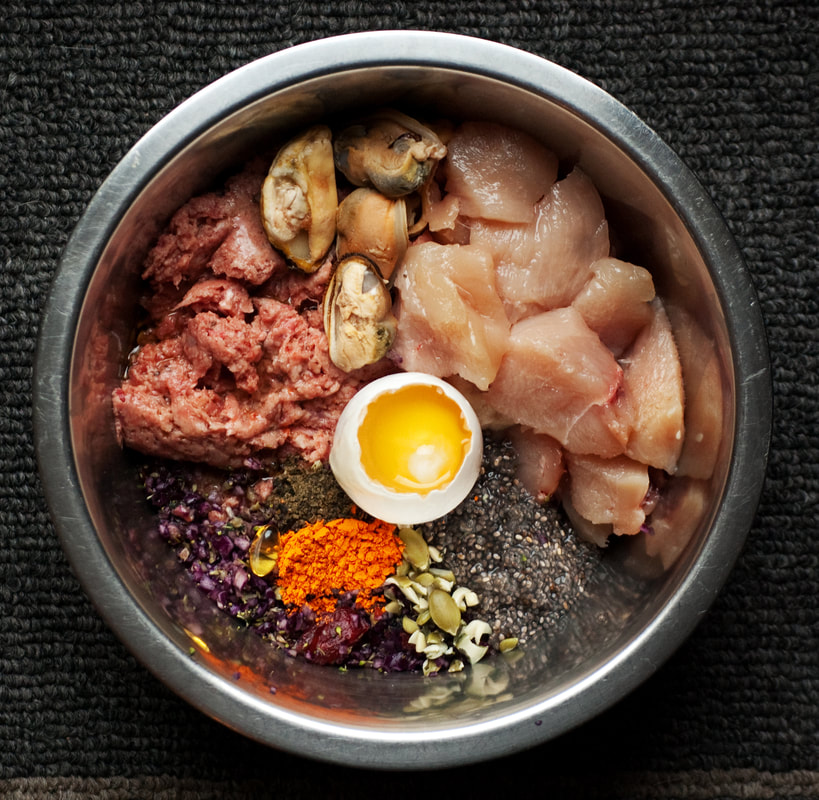
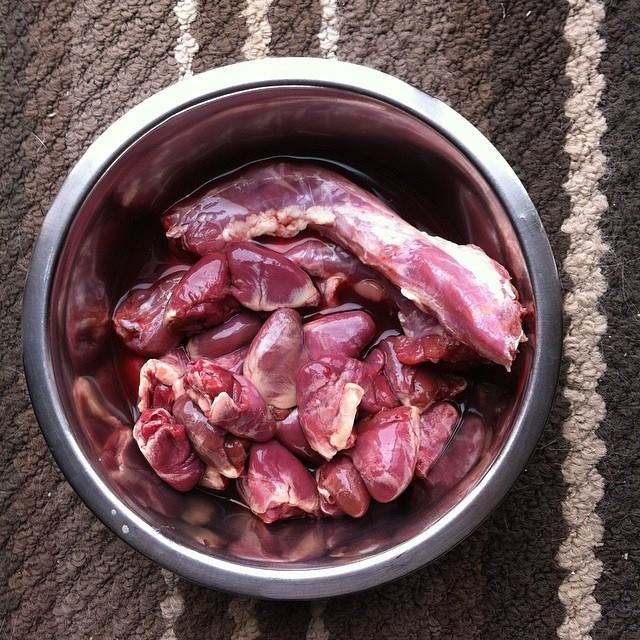
There is truly no better diet choice for your dog than a species-appropriate raw food diet. Much like their ancestors the wolf, our domestic dogs are biologically designed to thrive on a diet of raw meat, raw bone and raw organ. Wolves and dogs share 99.8% of their mDNA sequence, which also means that they share an identical digestive system and require the same type of raw food diet their carnivorous canine cousins enjoy in order to reach a state of optimum health.

The domestic dog, much like the wolf, is biologically designed to eat a nutritious raw food diet. Dogs have the same attributes that their carnivorous ancestors have that help us identify what kind of food they need to eat in order to thrive in life. You may be wondering what exactly makes a dog a carnivore and how we can identify their dietary needs based on their basic anatomy and physiology. You can learn more by reading one of my previous articles, Dogs and Wolves: Eat like a wolf and live a long and healthy life!
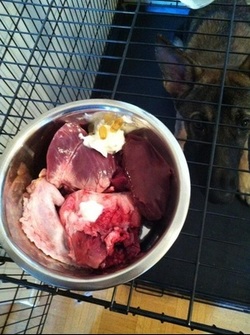
A raw food diet is the most pure, wholesome nutrition you can provide your best four-legged friends with. Raw food is full of living nutrients and enzymes that cannot be matched by any other diet. Commercial kibble diets and even homemade diets involve cooking the ingredients which inevitably destroys a lot of the nutrients and all of the essential enzymes. The additives and chemicals in many commercial kibble diets also have a negative effect on our pets bodies over time.

The benefits of a raw food diet are amazing. Dogs with medical issues, allergies, skin conditions, digestive disorders and other ailments can find relief and the potential for a complete recovery by switching to a healthy, clean raw food diet. Switching your dog to a raw food diet can prolong their life and reduce the frequency and intensity of illness throughout their lifetime; This works by providing proper nutrition to strengthen the body and keep chemicals, additives and junk food from their system. A longer, healthier life is the result of dogs being fed raw food.
Food allergies can be eliminated when switched to a raw food diet. Raw food is very easy on the body and almost effortless for a dog to digest. A pure protein diet can control what the dog is exposed to while dramatically lowering the chances of being exposed to the allergens.

Digestive issues such as EPI, IBD and digestive imbalances can be helped drastically by the change to a raw food diet. Many medical conditions can see an improvement when the afflicted dog is switched off of an over-processed commercial kibble diet and given the chance to detoxify on a raw food diet. While it may not eliminate the condition entirely, it will surely help strengthen the body and may reduce the severity of symptoms or even ease some symptoms entirely.

Feeding your dog a raw food diet is easier than you may think and isn't as time-consuming as it seems. It is also very possible and actually quite common to spend less money on a raw food diet per month than what you would spend feeding bags of commercial kibble. You can read some other fantastic frequently asked questions about raw feeding here!

When all is said and done, raw feeding for dogs is the very best diet choice for all dogs regardless of age, breed, size, medical issues and other ailments. A diet of raw meat, raw bone (never cooked!) and raw organ is exactly what dogs were biologically designed to eat. If you have a dog that isn't healthy and is riddled with problems, switching your dog to raw could change their life forever.

Give raw feeding a chance and you will not be disappointed in the results! You can learn everything you need to know to be a successful raw feeder with my eBook: A Guide to Raw Feeding.


The sky is the limit when it comes to ways in which dogs can benefit from a raw food diet. What we know for sure is that we do see positive changes in dogs who are fed raw. One of the most evident changes occurs with physical condition. Our dogs coats becomes thick and shiny while fur becomes soft to the touch. Color pigment in the coat is also enhanced, which for example can make red fur rich and deep. Raw fed dogs shed less and lose that signature "dog smell" that many pet owners complain about. Raw fed dogs tend to have little odor due to the overall health of the skin and coat when coupled with eating a clean diet free of chemicals and junk ingredients.

A raw fed dog's eyes suddenly become clear and lose the dullness you didn't even realize was there to begin with. Their irises become more crisp and the color intensifies. With that, we see a revitalized spirit shining through their loving gaze.

Another wonderful benefit of feeding raw is dental health. Dogs that are fed raw have fresher breath, and their teeth are kept clean and white. The act of crushing and chewing bone scrapes the teeth and stimulates the gum line. A commercial kibble meal is mashed up between the teeth and crumbles in the mouth. That chewed up kibble mash sticks to the teeth and gets caught between teeth and under the gum line (often the source of bad breath). The raw diet provides nothing that can get caught in and around the teeth; There is no residue to cause a tartar build up and gum disease.
Click here to subscribe to the K9 Instinct Newsletter
Picture
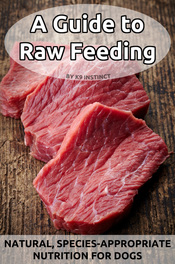
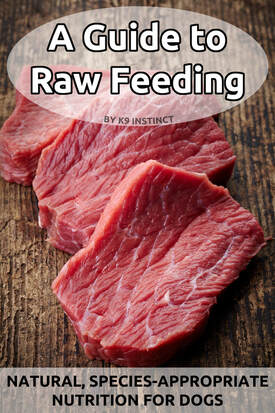
The "A Guide to Raw Feeding" eBook is an informative guide to successfully feeding a healthy, balanced and nutritionally complete raw food diet for dogs.

Whether you are interested in starting a raw food diet with your dogs, want to learn more, or need to ensure you are feeding this diet correctly; This eBook is the perfect companion for anyone interested in a raw food diet for dogs!

156 Comments

The health benefits of raw honey for dogs. (Environmental allergies in dogs)

3/12/2013

86 Comments

 
Picture
Raw honey is a remarkable alternative medicine used and appreciated by many cultures for hundreds of years, renowned for its healing attributes and for the therapeutic results of using raw honey. Just as it can be good for us, raw honey can also be highly beneficial for our dogs. The use of raw honey in dogs is quickly becoming popular amongst not only the holistic pet care movement but is also being recognized by the every day pet owners for its benefits and healing effects.

Honey is known for being an excellent source of flavonoids and is believed to contain anti-cancer properties. Raw honey contains vitamin B6, vitamin B12, folic acid, and vitamins C, D and E. Honey also contains calcium, copper, iron, magnesium, manganese! Honey is a good source of anti-oxidants and the live enzymes found in it make it antibacterial, antimicrobial, antiseptic and antifungal.

For those concerned about the sugar content of honey, rest assured knowing that it is an easily digested and gradually broken down form of natural sugar unlike processed sugar. As a result, the addition of honey to a dog's day can help increase healthy levels of energy and can even energize older dogs.
Dogs suffering from environmental allergies can greatly benefit from the consumption of raw, local honey on a daily basis. Raw, local honey contains minute amounts of pollens collected from your area that can help ease the symptoms of allergies in your dog. This works by exposing your dog to a very low level of the substance causing an allergic reaction which can help your pet develop an immunity over time. It is important that the honey is raw and local to ensure your dog is being exposed to the same pollens causing the allergic reaction specific to your dog. When the body is safely exposed to those pollens on a very small level, the body can grow accustomed to the allergens and thus have little to no reaction.

Honey is also an excellent digestive aid since it contains live enzymes and amylase. Amylase is an enzyme which facilitates the proper digestion of carbohydrates. Honey is also very soothing for the digestive system and can also help tonify the body.

Honey can benefit dogs with gastrointestinal problems due to its antibacterial properties. Raw honey can benefit dogs suffering from gastritis, IBD, colitis and other GI issues resulting from an overgrowth of bacteria.

Honey has been praised for its health benefits to both people and pets for many years and the world is starting to recognize it for its healing properties. Raw honey can prove to be an important part of a dog's diet while acting as an alternative medicine for allergies, digestive trouble and more! I highly recommend the addition of raw, local honey to the diet of any dog suffering from environmental allergies. One tablespoon a day is ideal for large dogs and one teaspoon a day is ideal for small dogs.

Your dog's diet and nutrition plays a large role in how healthy they are and how long they live, consider learning more about proper diet and nutrition with K9 Instinct! Feel free to contact me if you have any questions or if you are interested in a diet and nutrition consultation.

Angel

K9 Instinct
www.k9instinct.com
86 Comments

 A Guide to Raw Feeding for Dogs eBook (How to feed your dog a raw food diet)

2/28/2013

14 Comments

 
Picture
My eBook "A Guide to Raw Feeding" 3rd Edition is now available in the K9 Instinct online shop! This is an electronic book delivered in .PDF and mobi formats that you can conveniently read on your computer or eReader.

This eBook covers everything you need to know about feeding your dog a raw food diet. I explain the details on why a raw food diet is the very best food option for our canine companions, while discussing the benefits of a raw food diet and how dogs are biologically designed to consume and digest raw meat, raw bone and raw organ.

You will learn exactly how to feed this diet, where to buy your meat, how to feed your dog cheap (for less than $1 a day!) and how to calculate exact food amounts per meal. Everything you need to know to feed this species appropriate, balanced diet is available in this eBook!

Picture
Click here to visit the K9 Instinct Shop to learn more about this informative how-to eBook!

Don't forget to follow K9 Instinct on Facebook to get blog updates and news!

Angel
K9 Instinct
www.k9instinct.com
14 Comments
<<Previous
Forward>>
    Follow me on Youtube for more amazing content!
    Picture

    A Guide to Raw Feeding eBook

    Picture
    Proudly fueled by Iron Will Raw Dog Food!

    RSS Feed

    Categories

    All
    Bonding
    Chews
    Dental Health
    Diet
    Disease
    Dog Products & Reviews
    Dog Training
    Do It Yourself
    Ebook
    Exercise
    Feel Good Stories
    Flea And Tick
    Health
    Holidays
    Homemade Diet
    Homemade Treats
    Hunter
    Just For Fun
    Natural Remedies
    New Puppy
    News
    Nutrition
    Raw Food Diet
    Real Food
    Socialization
    Supplements
    Treats
    Vaccines


    Picture


    Dark Romance Author
    Kay Alastor
    www.kayalastor.com

Powered by Create your own unique website with customizable templates.